
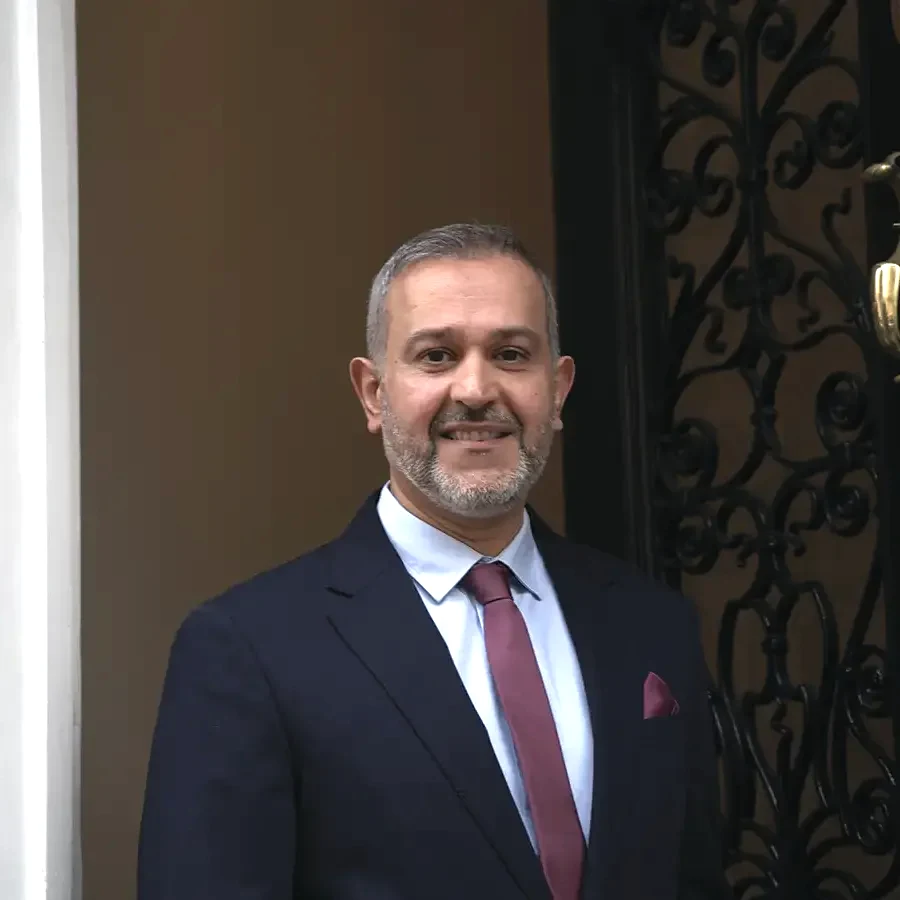
 Dr Omar Ali, consultant interventional cardiologist GMC 4728870
Medical review by Dr Omar Ali: 18 November 2026
What it is
Blood pressure is the force of blood against the walls of your arteries. When it stays high, it strains the heart and blood vessels over time. Many people with high blood pressure have no symptoms at all.
How it is diagnosed
A high blood pressure reading at the clinic is usually confirmed with 24-hour blood pressure monitoring or home readings, because many people's blood pressure is higher in a clinic than in everyday life.
Why it matters
Sustained high blood pressure can cause:
- Heart attack and stroke
- Heart failure and a thickened heart muscle
- Kidney disease
- Problems with the eyes and blood vessels
How Dr Ali assesses it
Beyond confirming the diagnosis, Dr Ali checks how blood pressure has affected the heart and kidneys, with an ECG, an echocardiogram where needed, and blood and urine tests. In younger people, or when blood pressure is hard to control, he looks for an underlying cause.
Treatment
Less salt, a healthy weight, regular activity and less alcohol all help. Dr Ali's short reels show two easy places to start: swapping salt for herbs and spices and a 10-minute brisk walk. Most people also need medicines, chosen to suit you and adjusted until your readings are on target.
Questions
Why wear a 24-hour monitor?
Readings taken in a clinic can be higher than usual, sometimes called white coat hypertension. A day of readings shows your true blood pressure.
Will I need tablets for life?
Often, blood pressure treatment is long-term. Lifestyle changes can lower the number or dose of medicines some people need.
Can I lower my blood pressure without tablets?
Often a little, and sometimes enough. Cutting down on salt and alcohol, keeping active, losing weight if you need to and stopping smoking all help. Whether you also need tablets depends on your readings and your overall risk.
Want to talk it through? Book a consultation with Dr Ali, or call 020 8087 4742.