
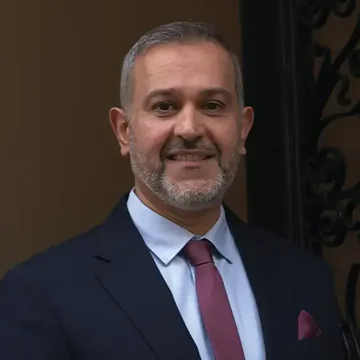
 Dr Omar AliConsultant interventional cardiologist
Expert heart care from Dr Omar Ali
Consultant interventional cardiologist in London. From your first symptoms to a clear plan.
Clinics on Harley Street, and in Kensington, Palmers Green and Westfield London
- Chest pain or tightness
- Shortness of breath
- Palpitations and atrial fibrillation
- Coronary artery disease and angina
- Heart failure
- High blood pressure
- High cholesterol
- Heart valve disease
- Heart health check
- Second opinion
- Dizziness, fainting and blackouts
- Atrial fibrillation
- Cardiomyopathy
- Heart and kidney disease
- Diabetes and your heart
- Heart check before exercise
- Stress echocardiogram
- Transoesophageal echocardiogram (TOE)
- 24-hour blood pressure monitor
- Clinic at 69 Harley Street
- Clinic at Phoenix Hospital Group, 9 Harley Street
- Clinic at Visit Health, Kensington
- Clinic at London Diagnostic Centre, Palmers Green
- Clinic at Effect Doctors, Westfield London
- Echocardiogram
- CT coronary angiogram
- Exercise stress test
- ECG and 24-hour heart monitor
- Coronary angiogram
- Coronary angioplasty and stents
- Pacemaker implantation
- Coronary artery bypass
- Heart medicines
- Cardiac rehabilitation
- Fees and insurance
- Clinics and directions
- International patients
- Book a consultation
- About Dr Ali
Popular searches

Symptoms, conditions and treatments
Dr Ali sees patients with chest pain, breathlessness and palpitations, and treats coronary artery disease, heart failure, high blood pressure and cholesterol. Tests can often be done in the same visit, so you leave with answers and a plan.
See all conditions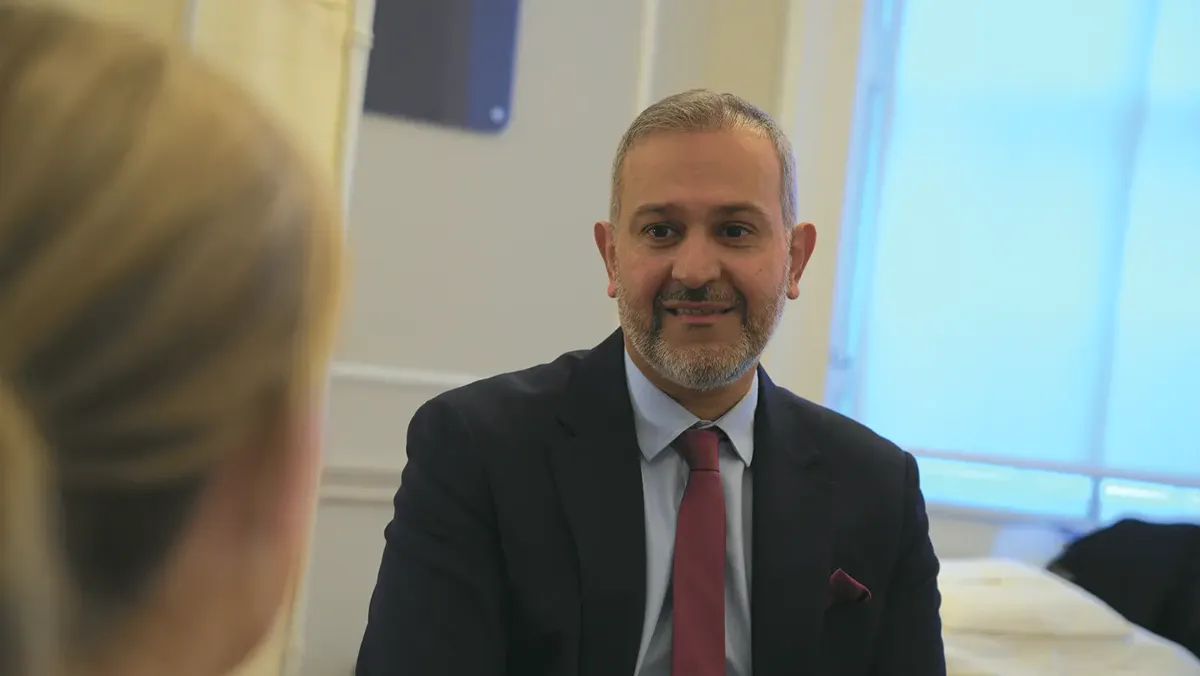 Chest painTightness, pressure or pain in the chest, checked quickly and explained clearly.
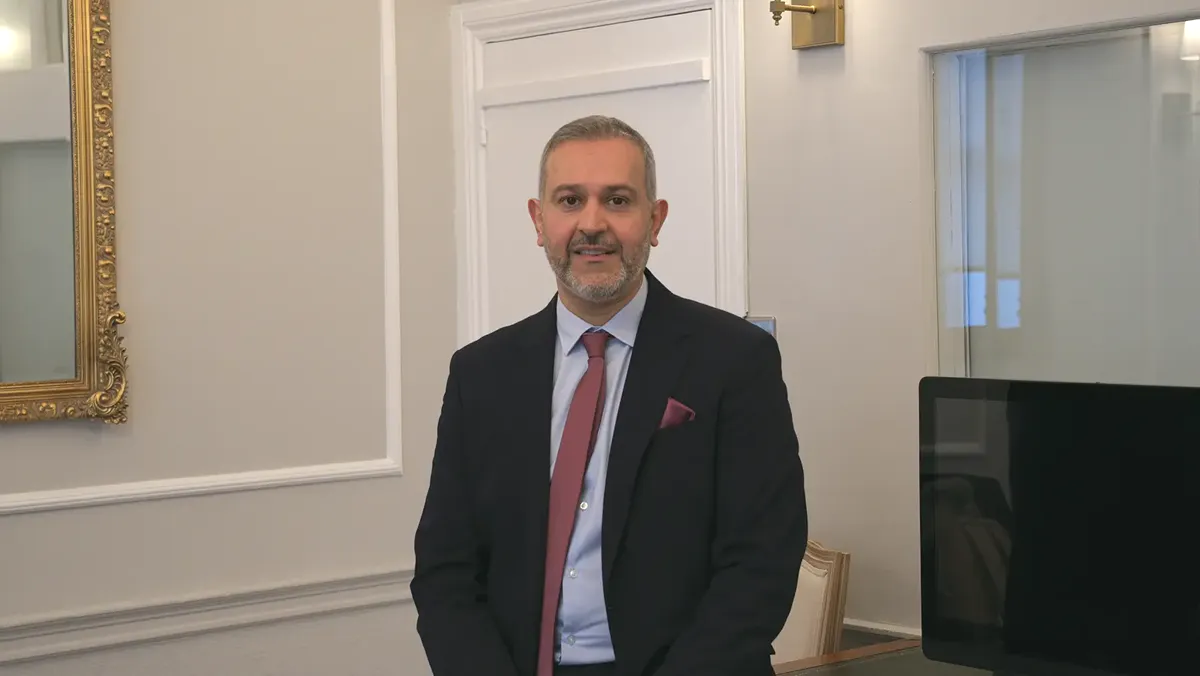 Coronary artery diseaseNarrowed heart arteries and angina: Dr Ali's main specialty.
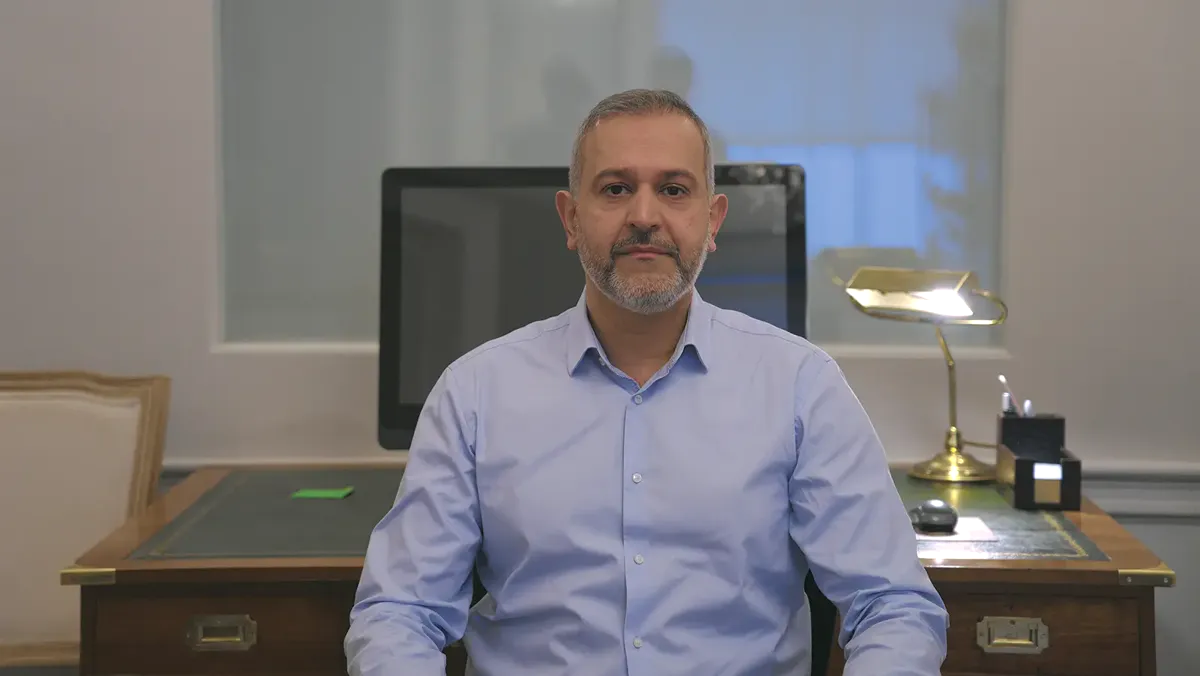 PalpitationsA racing, fluttering or irregular heartbeat, including atrial fibrillation.
 Shortness of breathBreathless on stairs or at night, and what your heart has to do with it.
 High blood pressureOften silent. Diagnosis, home and 24-hour monitoring, and treatment.
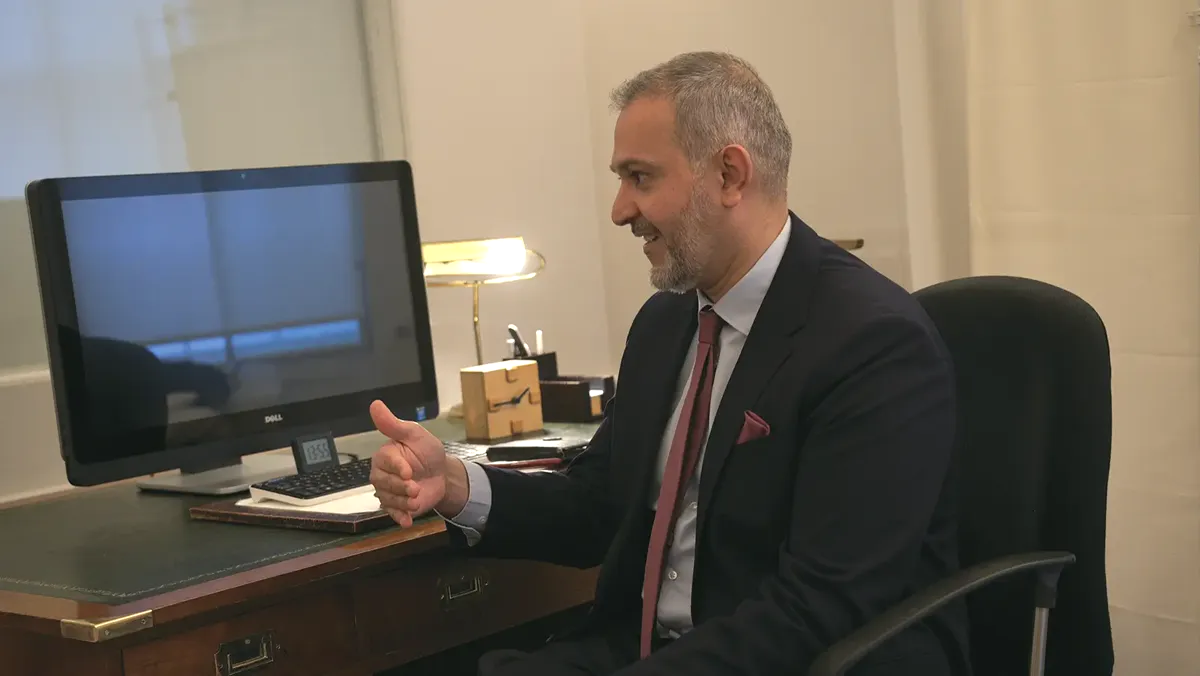 Coronary angioplastyOpening a narrowed artery with a balloon and stent, usually from the wrist.
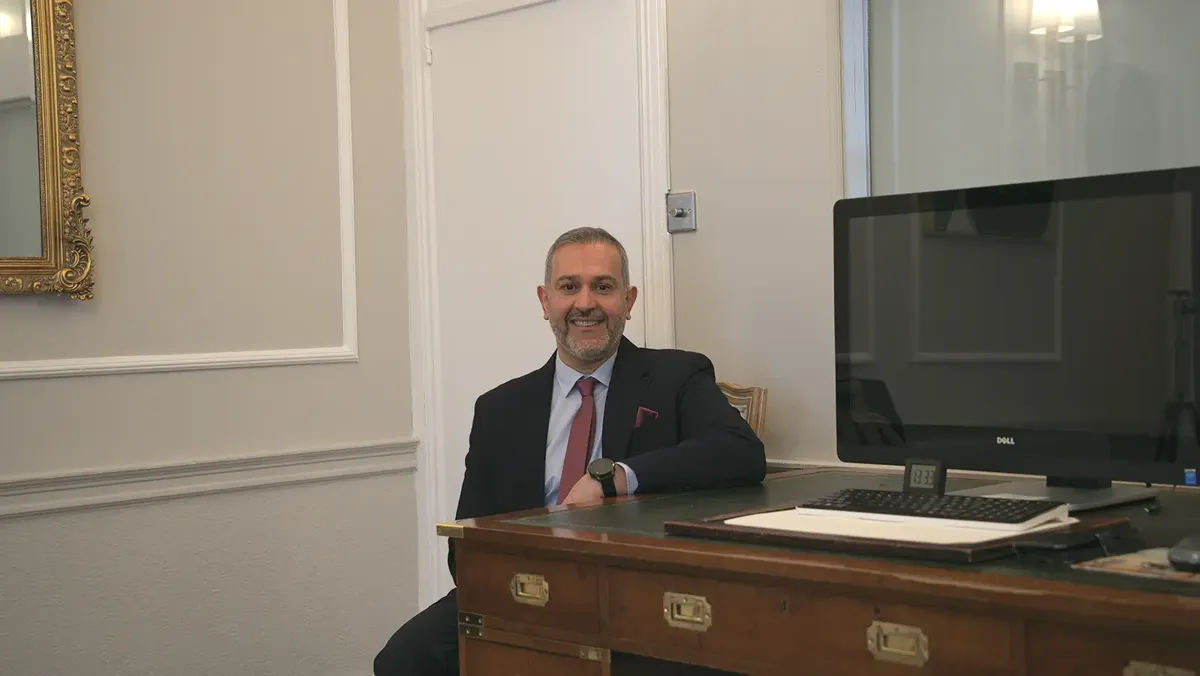 Heart health checkA full check of your heart and your risk, often in a single visit.
 Echocardiogram and testsUltrasound, CT, stress tests and heart monitors, chosen for you.
Why patients choose Dr Ali
Your heart deserves careful, unhurried care. Here is what patients and colleagues say.
Top-rated by real patients
4.99 out of 5 from over 200 verified reviews on Doctify.
Endorsed by fellow doctors
28 doctors and specialists endorse his skills on Doctify.
Trained at leading centres
PhD at Imperial College London and an interventional fellowship at Erasmus MC, Rotterdam.
Seen in English or Arabic
Consultations in both languages, for patients from the UK and abroad.
Meet Dr Omar Ali
Dr Ali is a consultant interventional cardiologist with a special interest in coronary artery disease and heart failure. He sees patients privately on Harley Street and works in the NHS at St George's.
- On the GMC Specialist Register in cardiology since 2013 (GMC 4728870)
- PhD in medicine, Imperial College London
- Interventional fellowship, Erasmus MC and Maasstad Hospital, Rotterdam
- 26 years of experience
Ways to see Dr Ali
Self-pay, insured and international patients are all welcome.
Private medical insurance
Dr Ali is recognised by AXA Health, Aviva, Vitality, WPA, Cigna, Aetna, The Exeter, Healix, Allianz Worldwide Care and Saga. Ask your insurer for an authorisation number before your visit.
Fees and insurance
Patients from abroad
Consultations in English or Arabic. For patients with limited time in London, same-day or next-day appointments where possible, and several tests in a single visit.
International patientsExplore the heart
Tap a glowing point to see where the conditions Dr Ali treats begin. Coronary artery disease is his main specialty.
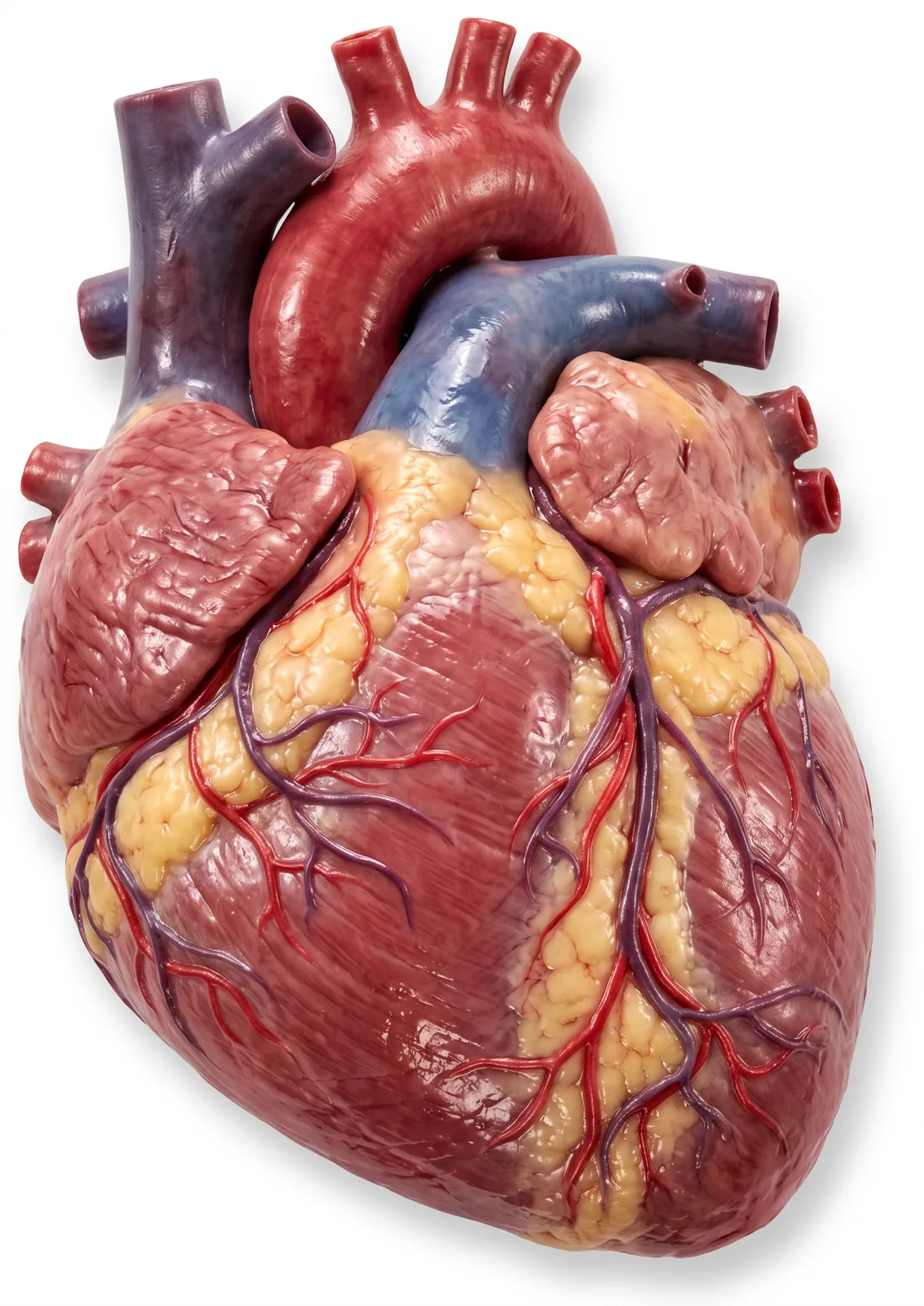
Coronary artery disease
Dr Ali's main specialty
The coronary arteries feed the heart muscle. Over many years, fatty plaque can build up inside them.



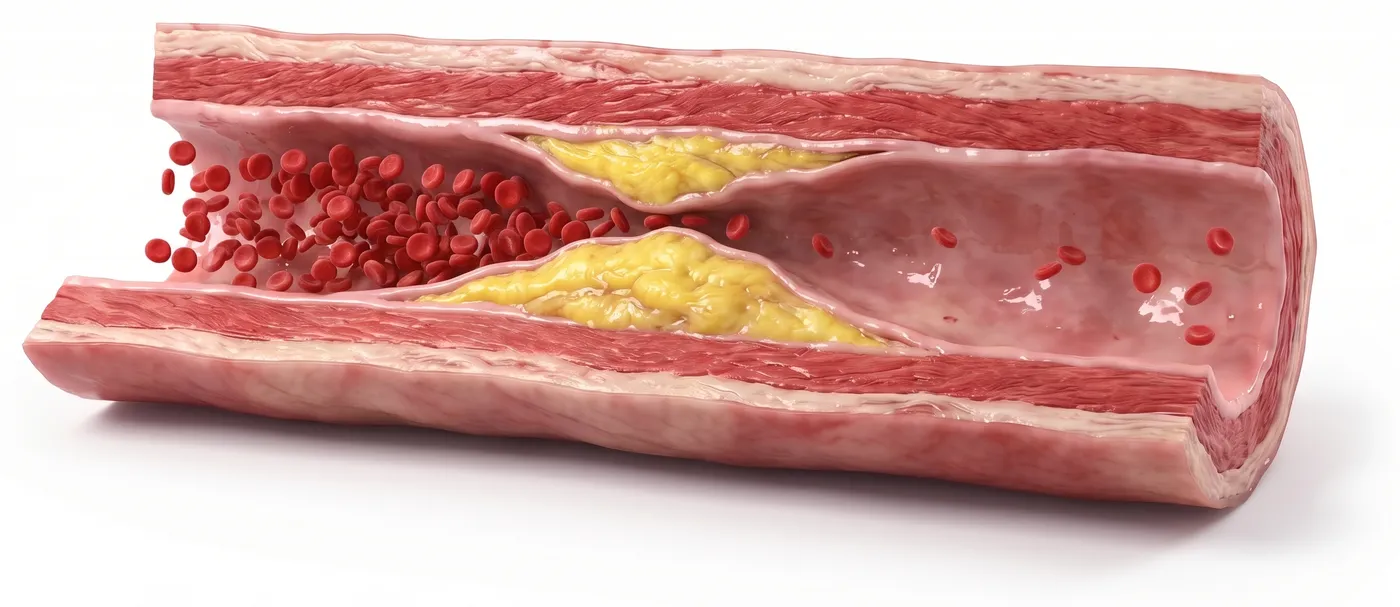
Stage 1 of 5
Healthy artery
The lining is smooth and blood flows freely, carrying oxygen to the heart muscle.
Stage 2 of 5
Initial fatty deposits
Cholesterol starts to collect in the artery wall. There are usually no symptoms yet, which is why checking blood pressure, cholesterol and blood sugar matters.
Stage 3 of 5
Plaque obstructs blood flow
The fatty plaque narrows the artery. When the heart works harder, on stairs for example, its muscle may not get enough blood, causing chest tightness or breathlessness. This is called angina.
Stage 4 of 5
Near complete blockage
Very little blood gets through, and symptoms can come with little effort or even at rest. At any stage, a plaque can crack and a clot can block the artery: a heart attack. If you have chest pain at rest or think you are having a heart attack, call 999.
Stage 5 of 5
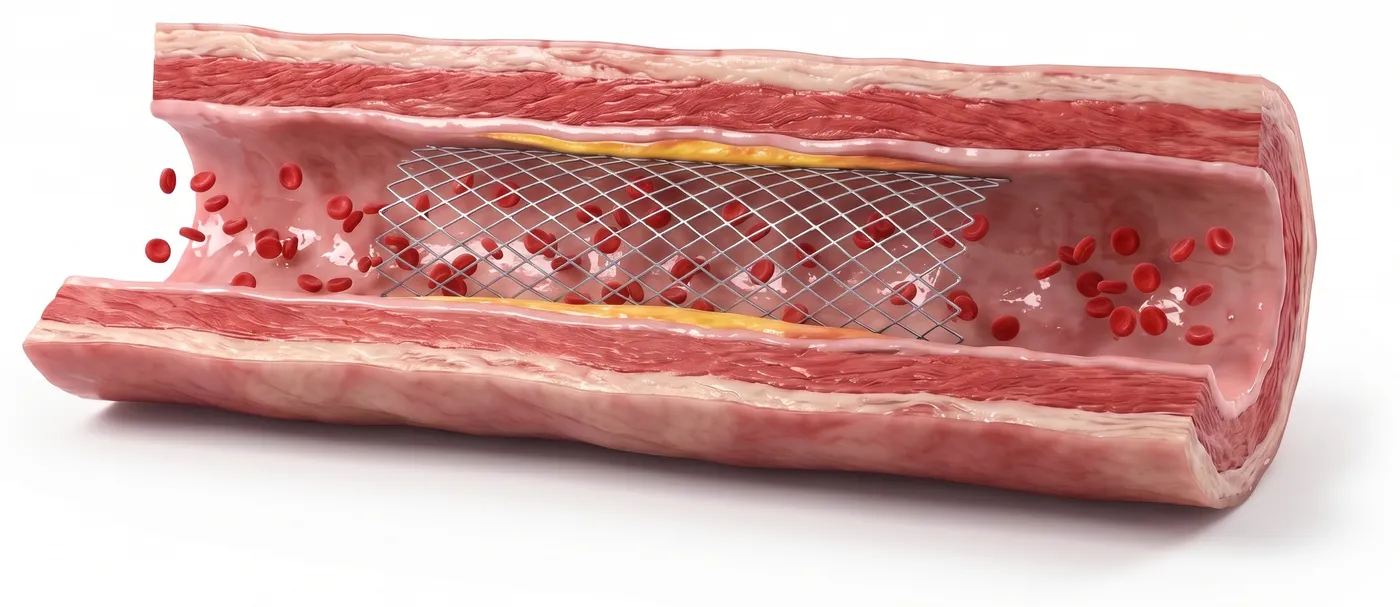
Opened with a balloon and stent
Through a thin tube, usually from the wrist, Dr Ali widens the narrowing with a small balloon and places a mesh stent to hold it open. Not everyone needs this: many people are treated with medicines and lifestyle changes.
How Dr Ali finds it: coronary angiogramHow he treats it: coronary angioplasty
Heart failure
A special interest of Dr Ali
Heart failure means the heart muscle is not pumping as strongly as it should. It can cause breathlessness, tiredness and swollen ankles. An echocardiogram shows how well the heart pumps, and the right medicines help it work better.
Heart valves
Four valves keep blood flowing one way through the heart. A valve can become narrowed or leaky, which can cause breathlessness, chest pain or tiredness. An echocardiogram shows how well each valve works.
Heart rhythm
A small area at the top of the right atrium, the heart's natural pacemaker, starts every heartbeat. When the rhythm goes wrong you may feel a racing, fluttering or irregular heartbeat. An ECG or a heart rhythm monitor finds the cause.
Answers in one visit
Several tests can often be done in a single visit, so you leave with answers and a plan rather than waiting and wondering.
- A consultation of up to an hour
- An ECG at the clinic on the day
- Further tests, such as an echocardiogram, often in the same visit
- A clear plan, explained in plain language
What patients say
4.99 out of 5 from over 200 verified reviews on Doctify, November 2026

“Quite possibly the nicest experience I have ever had at a medical appointment. Dr Ali was so engaging, clear and kind, it was more like chatting to a friend. Thankyou”
“Very professional session. Dr Ali was clear and direct and very sensitive in his manner.”
“My consultation with Dr Ali was exceptional and most reassuring, he listened to my concerns carefully, he was thorough with his examination and conveyed his explanations in plain language.”
“I found Dr Omar to be thorough and knowledgeable. He was kind enough to see me on short notice, as we were traveling.”
“Very efficient team. Very smooth clinic visit. Dr Ali discussed my case in details with a very thorough examination …”

From the blog
Dr Ali explains common heart conditions, tests and treatments.
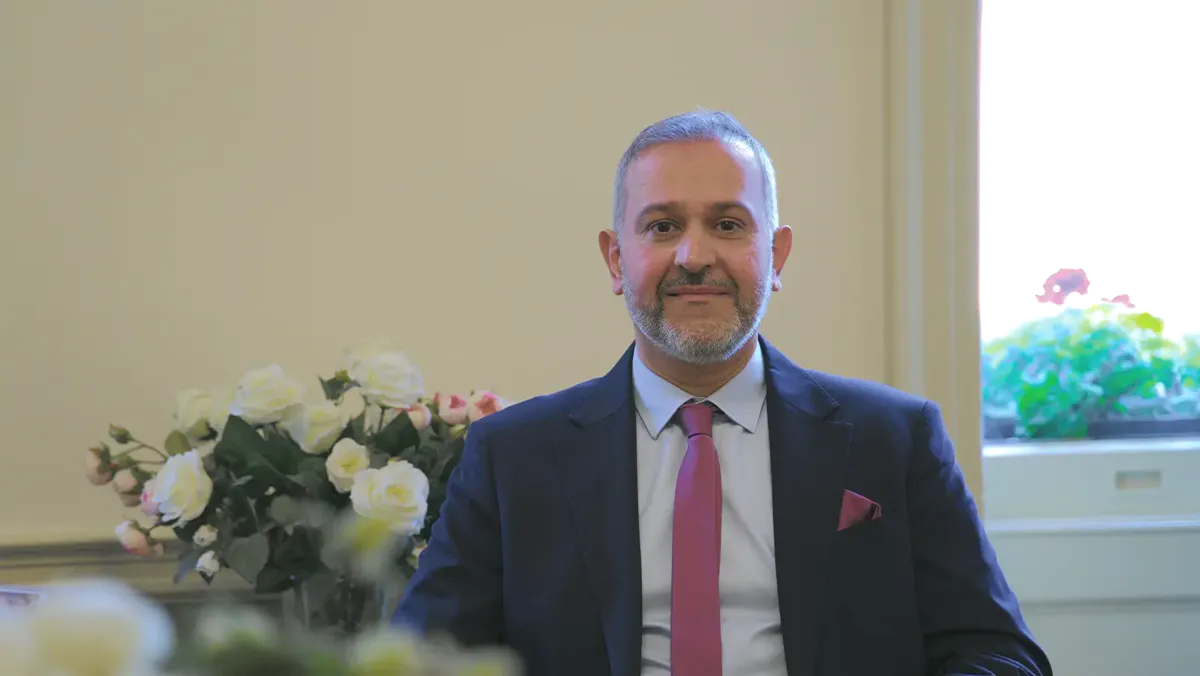 What is angina? Dr Ali explainsSymptoms, causes, tests and treatment, in under five minutes.Watch the video
- What to expect at your first cardiology consultationHow long it takes, what to bring, and what happens next.Read the article
- Chest pain: when to see a cardiologistWhich symptoms need a check, and which need 999.Read the guide
Questions
How long is a first consultation?
Up to one hour, so there is time for a full assessment, discussion and your questions.
Will I have an ECG on the day?
Yes. A 12-lead ECG is done at the clinic, either before or straight after your consultation.
Can I use my health insurance?
Yes. Dr Ali is recognised by most major insurers, including AXA Health, Aviva, Vitality and WPA. Please check your cover with your insurer before your appointment.
Do I need a referral from my GP?
No. You can book directly with Dr Ali's team, without a referral from your GP.
Can I be seen in Arabic?
Yes. Dr Ali speaks English and Arabic.
What should I bring?
A list of your medicines, any letters or test results you already have, and your insurance details if you are claiming.